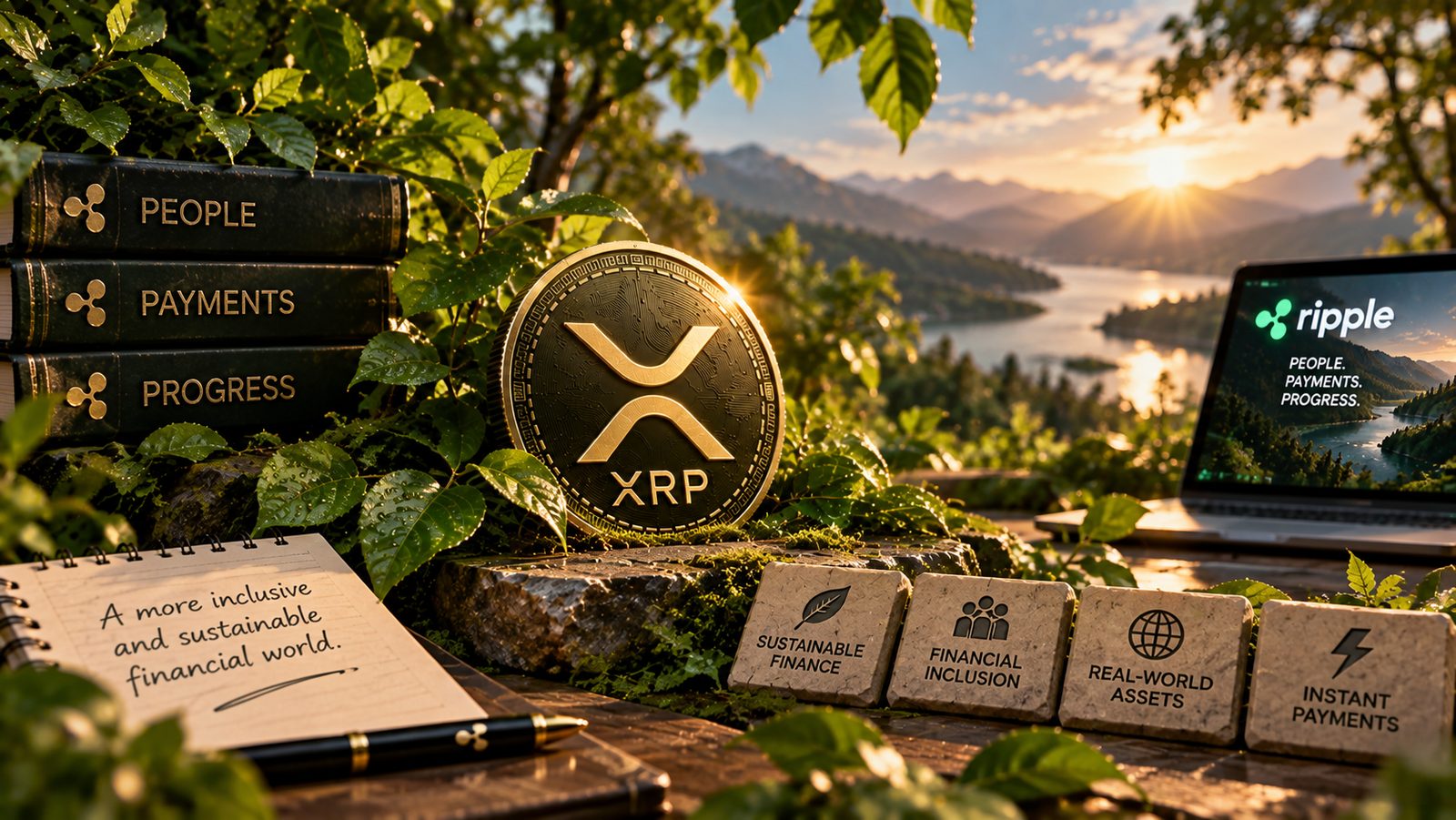
Why XRP Radar
XRP Radar has a simple goal: track the XRP ecosystem with verifiable facts, context and counterarguments. The site consistently distinguishes Ripple, the company, the XRP Ledger (XRPL), the open network, and XRP, the XRPL’s native digital asset. That distinction matters: a Ripple announcement is not automatically XRP adoption, and an XRPL improvement does not guarantee a higher XRP price.
A native asset designed to move quickly
XRP is the native asset of the XRP Ledger. XRPL consensus generally validates new ledgers within a few seconds. Official documentation describes near-real-time settlement, typically around three to six seconds. Where settlement speed matters — transfers, payments or asset exchange — that fast finality is a concrete technical advantage.
Very low transaction costs
A standard XRPL transaction requires a very small network cost paid in XRP. It is not paid to a miner or a company: the XRP is destroyed. The mechanism helps deter spam and can rise when the network is under heavier load. This can make small-value transfers practical without fees necessarily becoming disproportionate to the amount moved.
Built-in payment and exchange infrastructure
The XRP Ledger does more than transfer XRP. It supports issued assets and has included a decentralized order-book exchange since its early years. Payments can use liquidity paths between different assets. In some scenarios, XRP can therefore act as an intermediate asset between two forms of value that lack a sufficiently liquid direct market. This is a capability, not a requirement: its usefulness always depends on available liquidity, pricing and regulation.
No proof-of-work mining
XRPL uses its own consensus protocol rather than proof-of-work mining. It therefore does not require competitive mining computation to validate ledgers. For applications seeking fast, lightweight settlement infrastructure, that architecture is a meaningful distinction.
Why this matters for crypto
XRP’s potential relevance is broader than its market price. Its native role is tied to a global ledger built for value transfer. XRPL combines fast settlement, low fees, decentralized exchange and support for multiple asset types. Those properties can be useful for payments, liquidity, tokenization and financial applications requiring rapid on-chain settlement.
XRP Radar will follow those use cases by prioritizing evidence: official announcements, network data, regulatory documents and independent corroboration whenever possible. The goal is not to prove that XRP “must” succeed, but to measure what is actually being built, used and adopted.